
You can't manage what you can't measure. And most owners at $50K to $150K a month are managing their team on vibes.
They have a general sense of who's doing well and who's not. But they don't have numbers. They don't know exactly how many calls each closer took last week. They don't know how many follow-ups each setter sent. They don't know the conversion rate per team member. They don't know who's actually working and who's coasting.
So when someone underperforms, it takes weeks to notice. And when someone overperforms, it goes unrecognized. The whole team operates on guesswork, and the owner either micromanages because they don't trust the team, or goes hands-off and hopes for the best. Neither works.
Team accountability requires a system.
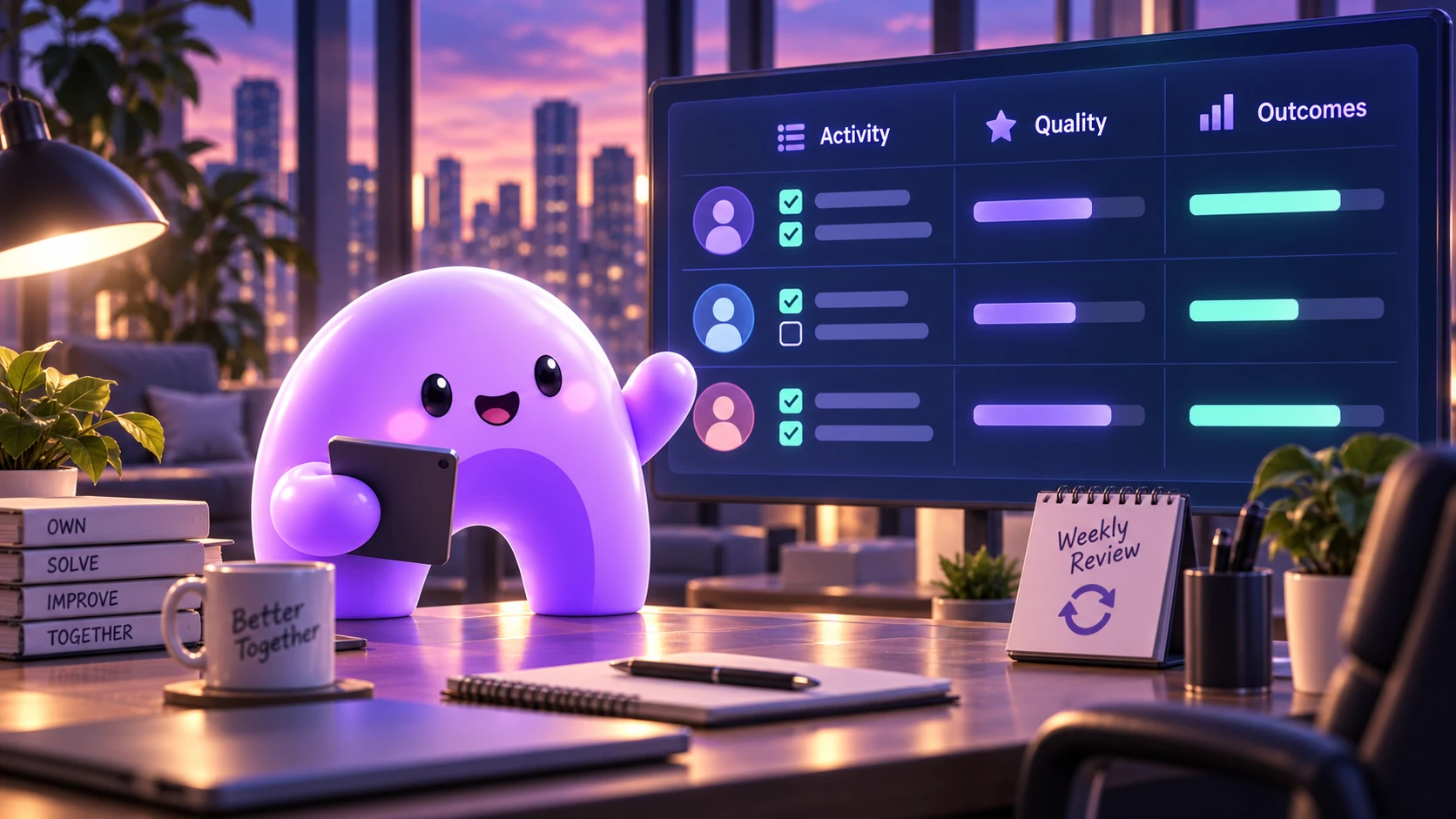
Here's what it looks like. Every team member has clear, measurable KPIs tied to their role. A setter has contact rate, follow-up completion, and calls booked. A closer has calls taken, show rate, close rate, and revenue closed. A fulfillment person has delivery timeline, client satisfaction, and completion rate. Every KPI is tracked in the CRM or dashboard, not in a spreadsheet someone updates manually when they remember.
Then you have a weekly review.
Not a two-hour meeting where everyone talks about feelings. A 15-minute look at the numbers. Who hit their KPIs, who didn't, and what's the plan to fix it. The numbers do the talking. No opinions, no excuses, just data.
When this system is in place, accountability becomes automatic. You don't have to chase people. The numbers show you who's performing and who's not. Your team knows what's expected because it's defined and measured. And you can manage by exception, only stepping in when the numbers show a problem, instead of hovering over everyone all day.
The businesses that scale don't have better people. They have better accountability systems. Because when people know they're being measured, they perform differently. And when you can see the numbers, you can manage the team instead of managing the chaos.
At Ariyel, we install the visibility and tracking system that makes team accountability automatic. Because you shouldn't have to guess who's working. You should be able to see it.